Pick the Right Sealant
Silicone, acrylic, or polyurethane. Pick the right one the first time.
What You'll Need
Start with the location
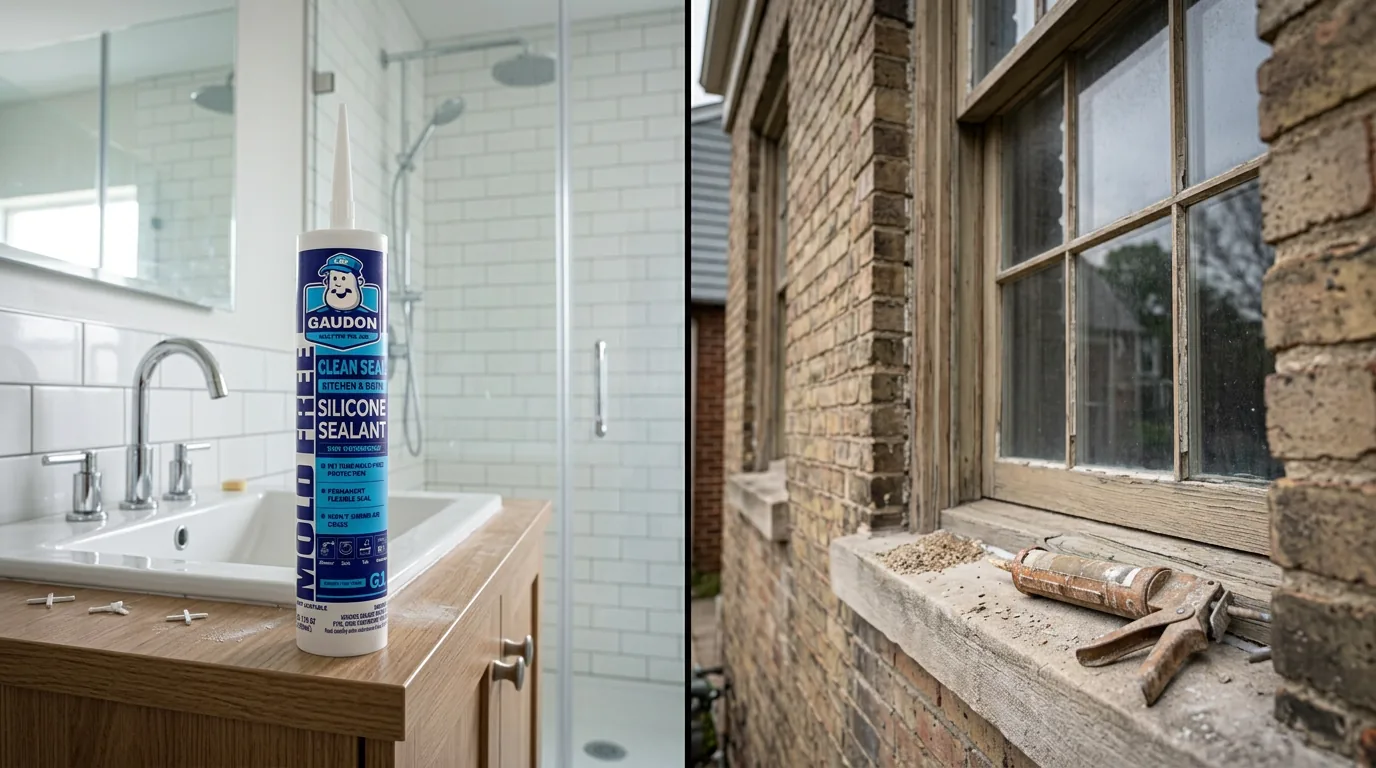
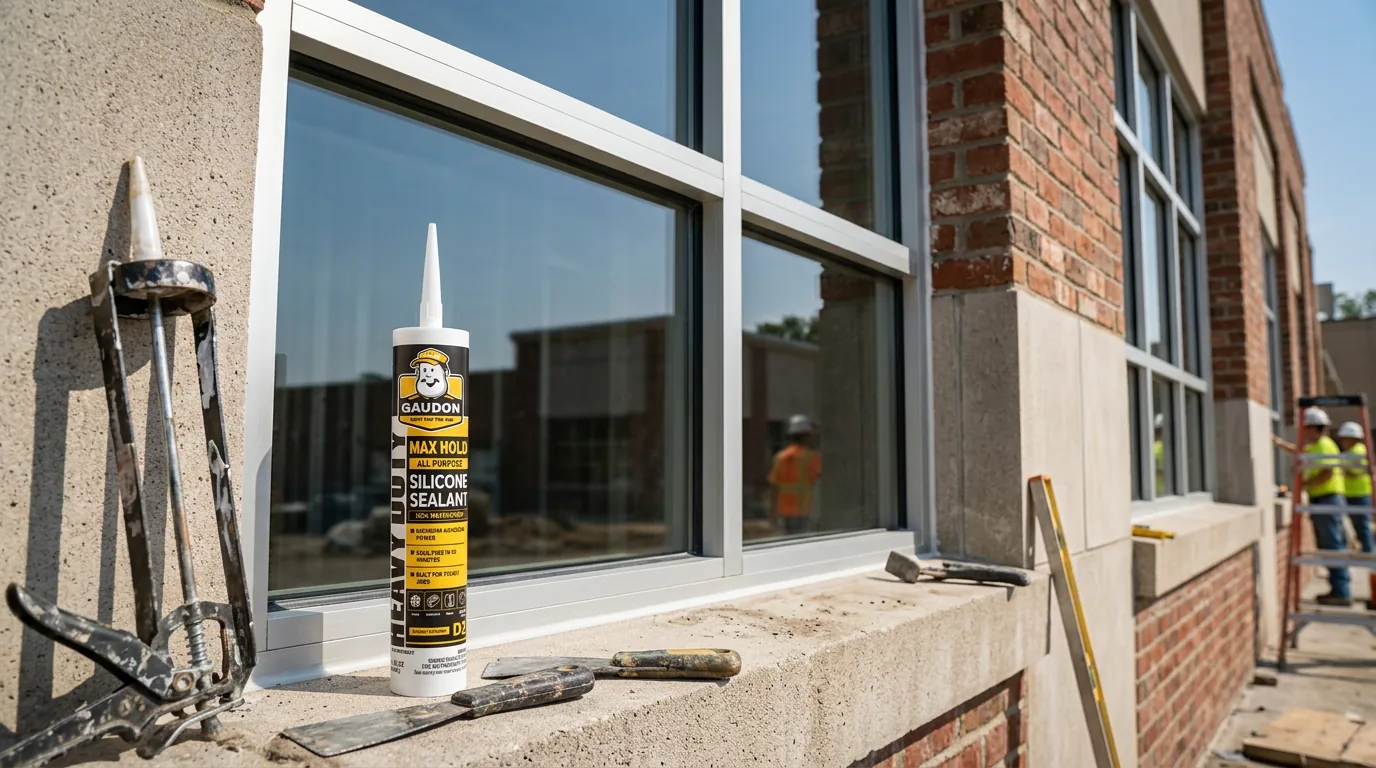
Indoor and outdoor joints face different stresses, and that helps determine the product category. Indoor joints in kitchens and bathrooms deal mainly with moisture, cleaning chemicals, and mildew. A neutral-cure silicone such as GAUDON G1 may fit when the listed substrates and limitations match. Outdoor joints deal with UV exposure, rain, temperature swings, and movement. Review the GAUDON G2 or G3 TDS for suitable non-structural applications and joint design. GAUDON D1 and D2 are not intended for structural bonding.
Think about joint movement
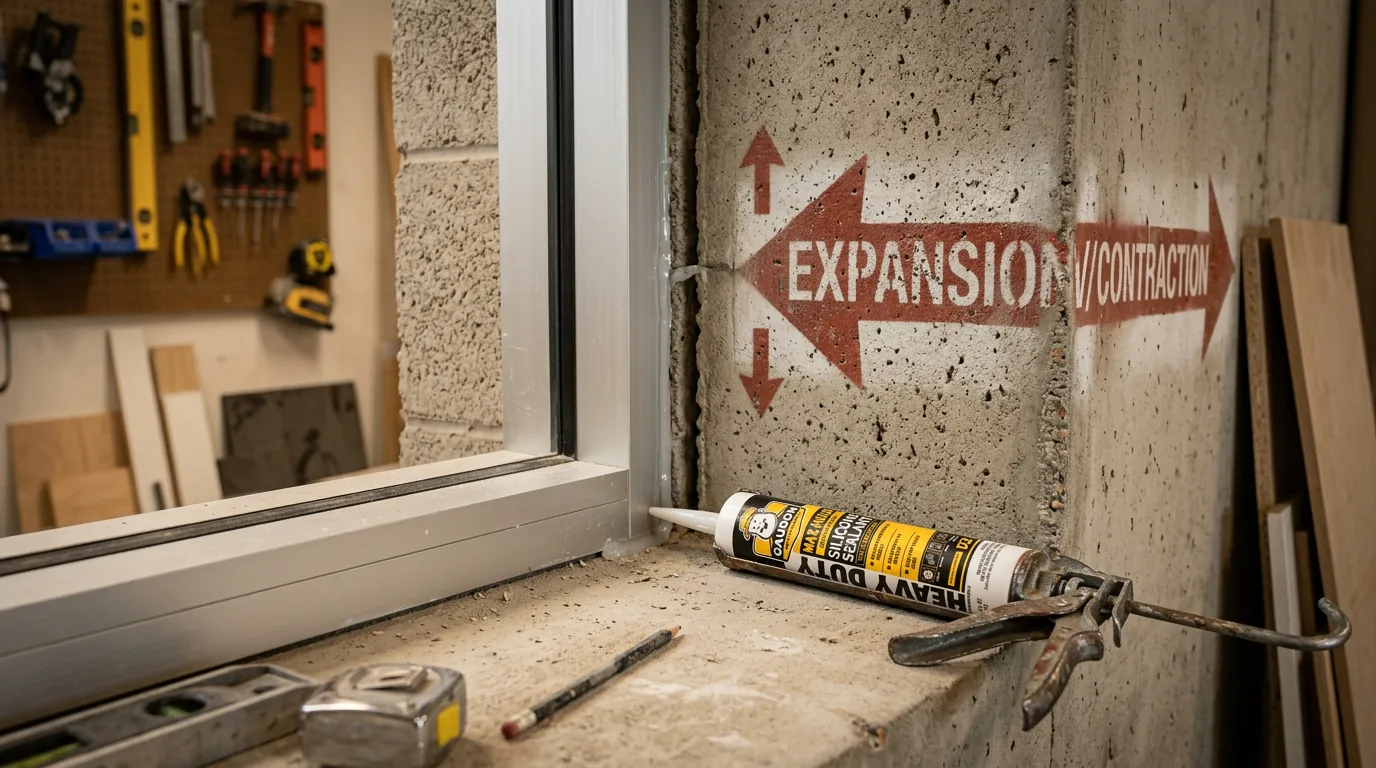
Joints move. Materials expand in heat and contract in cold. Different materials expand at different rates, which puts stress on the sealant holding them together. For joints with minimal movement (tile to tile in a bathroom), most sealants will work. For joints between dissimilar materials (aluminum frame meeting a concrete wall), you need a product with higher elongation and flexibility. Check the movement capability published on the product's own technical data sheet and compare it to the expected movement in your joint. Among the GAUDON range, the G3 exterior facade silicone is the one that publishes a movement figure.
Pro Tip
A quick way to estimate joint movement: measure the joint width, then assume it could expand or contract by about 10-15% in typical climates. In extreme temperature zones, that number goes higher.
Decide if you need to paint over it
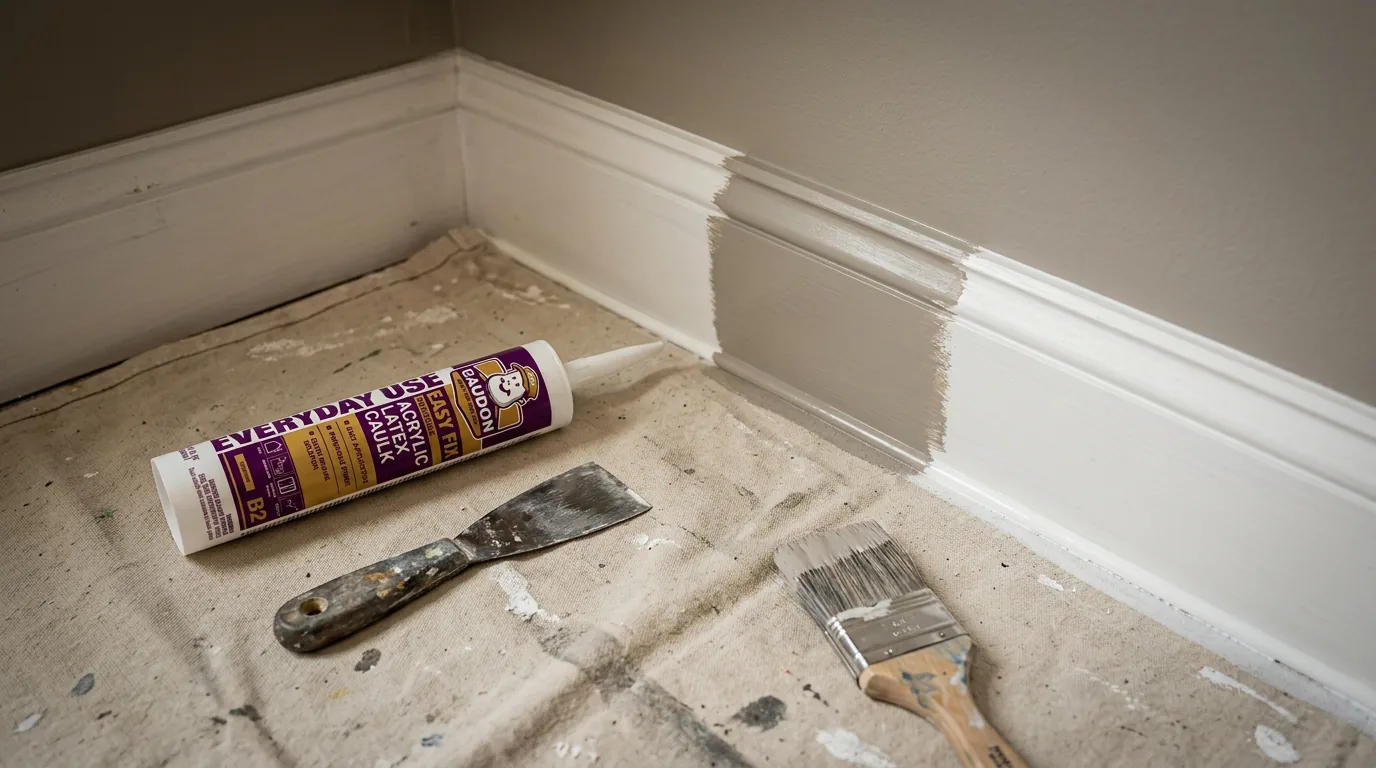
Standard silicone sealants cannot be painted. Paint does not adhere to cured silicone, and it will peel or crack within weeks. If your project requires a painted finish (like interior trim, baseboards, or drywall joints), use an acrylic latex sealant instead. The GAUDON B1 and B2 are both paintable and designed for interior trim and gap filling. The B1 sheet describes a smooth finish and the B2 sheet states it takes latex paint. If you need both water resistance and paintability, some hybrid products exist, but for most interior work, acrylic latex is the right call.
Match the sealant to the substrate
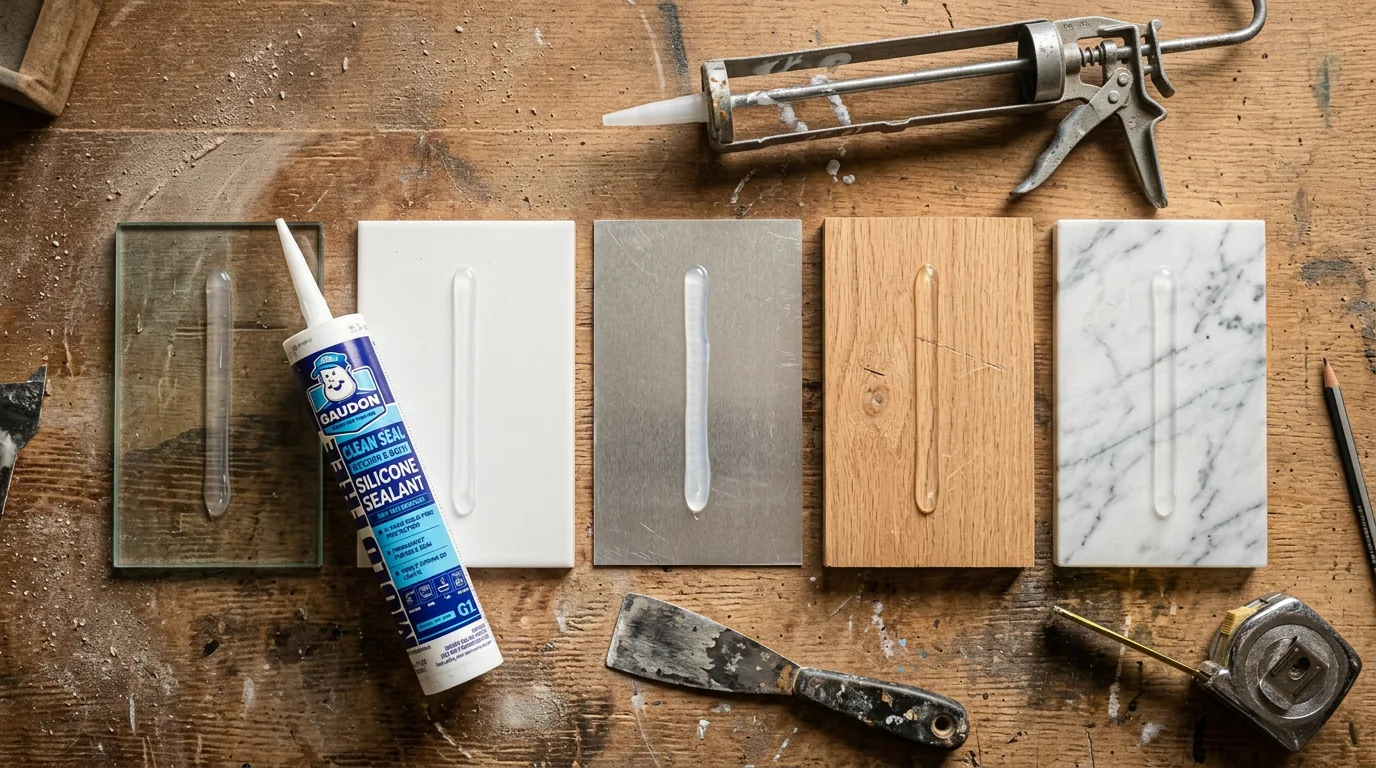
Not every sealant bonds to every surface. Neutral-cure silicones work well on glass and aluminum, and each sheet lists its own substrates: the GAUDON G1 adds ceramic tile, porcelain and stainless steel, the G2 adds vinyl, PVC, brick, masonry and stone, and the G3 adds concrete, masonry, brick, stone, metal and ceramic. Silicone does not accept paint, so a joint that has to be painted needs an acrylic or hybrid product instead. They're safe for sensitive materials because they don't release acetic acid during curing. Acetic-cure silicones are cheaper but can corrode copper, zinc, and some stone. Acrylic sealants bond well to wood, drywall, and masonry, but they're not as flexible as silicone. For structural glazing or curtain wall applications, you need a product tested specifically for that substrate. Always check the product data sheet for a list of compatible surfaces.
Factor in water and chemical exposure
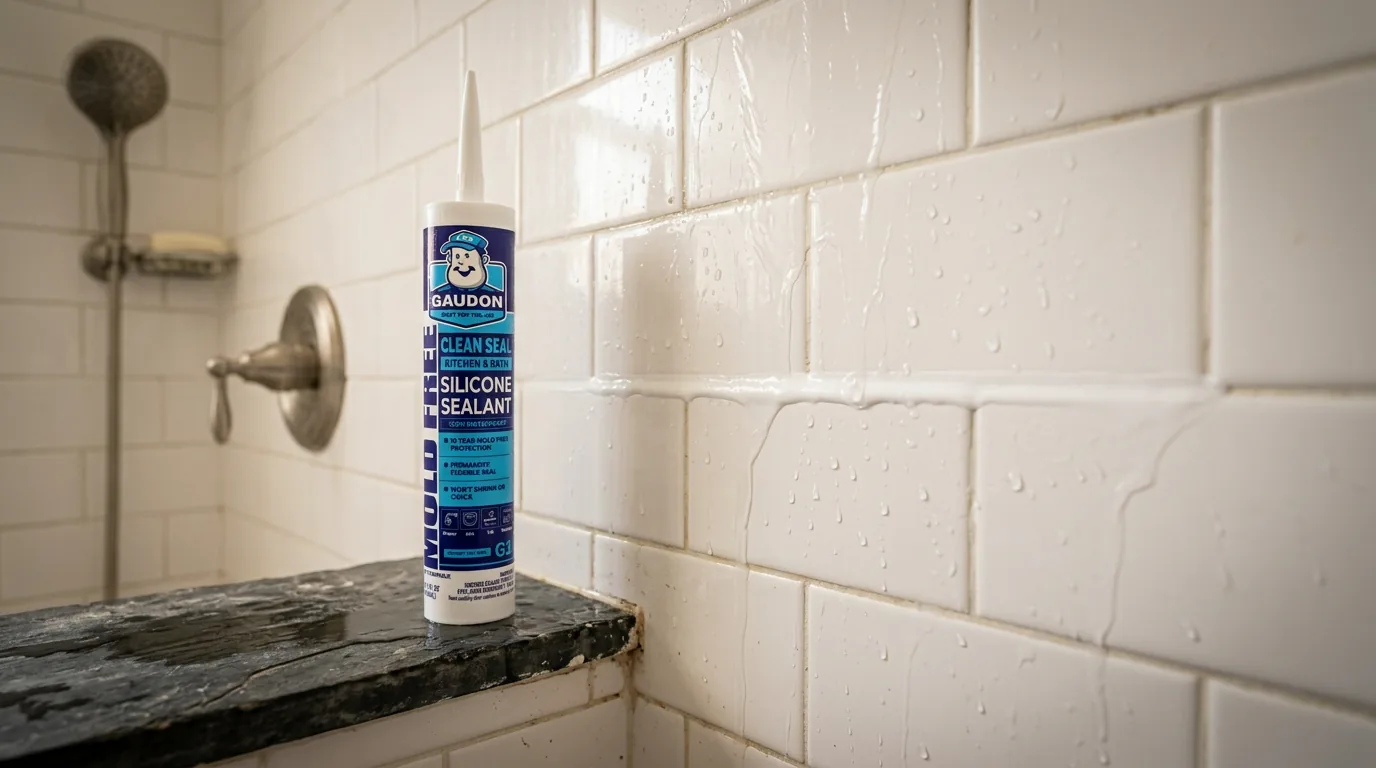
Bathrooms, swimming pools, aquariums, and food prep areas all have different exposure requirements. For wet areas, you need a sealant with mildew resistance built into the formula. The GAUDON G1 is formulated to resist mold and mildew for kitchen and bath use. For areas exposed to cleaning chemicals, acids, or chlorine, check the chemical resistance rating on the data sheet. Regular acrylic sealants will break down quickly in sustained wet environments. Silicone is the default choice anywhere water is a constant factor.
Review the product-specific warranty and service conditions
Warranty terms and service conditions vary by product and application. A product-specific limited warranty applies, and its terms come from the written warranty rather than from the data sheet. The Technical Data Sheet is where you check substrate compatibility, limitations, joint design, preparation and cure conditions. Do not choose a product based on a universal warranty assumption.
Pro Tip
A product-specific limited warranty applies. Review the current applicable TDS for substrate, joint and cure conditions before selecting a product or planning an installation, and ask us for the warranty terms in writing.
Common Mistakes to Avoid
Using acrylic sealant in wet areas
Acrylic is water-based and breaks down with constant moisture exposure. Use silicone for bathrooms and kitchens.
Trying to paint over silicone
Paint will not stick to cured silicone. If you need a painted finish, choose acrylic latex from the start.
Using the cheapest option for exterior work
Budget sealants crack and yellow faster outdoors. UV and temperature cycling require a higher-grade product.
Ignoring substrate compatibility
Acetic-cure silicone can corrode certain metals and stone. Check the data sheet before applying.
Using the wrong product category
Match the product to the actual substrate, movement, exposure and limitations listed in its TDS.
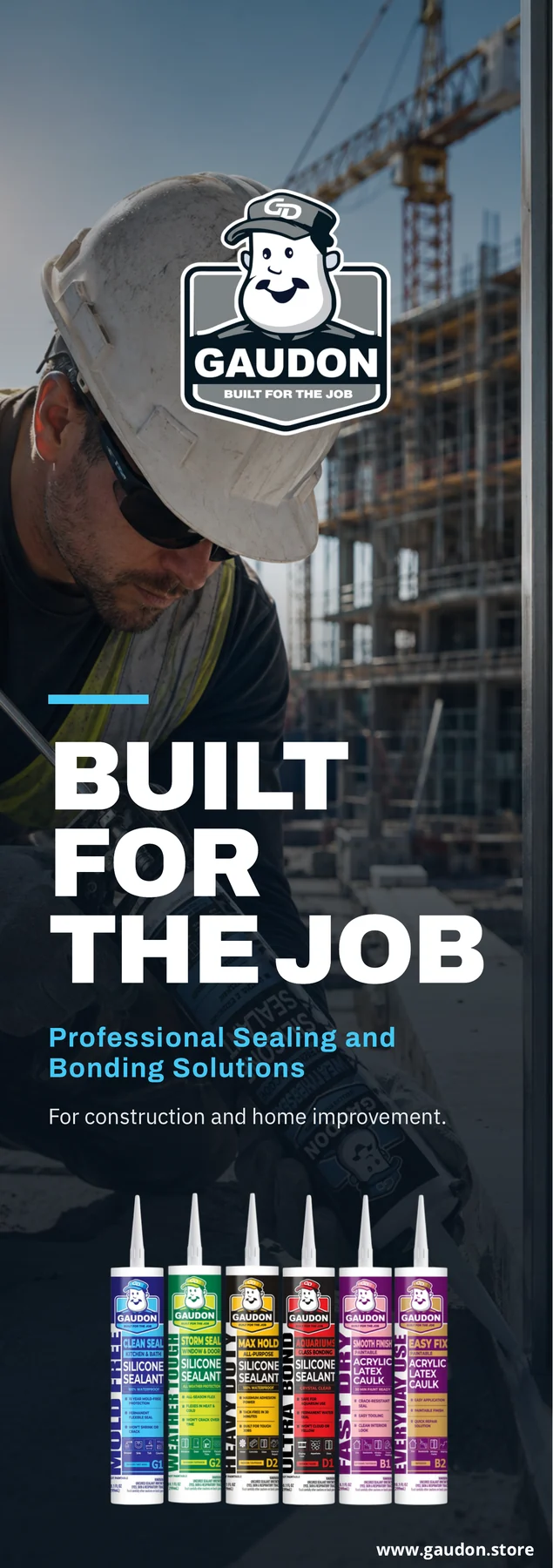
Products Used in This Guide
Professional-grade sealants built for the job.
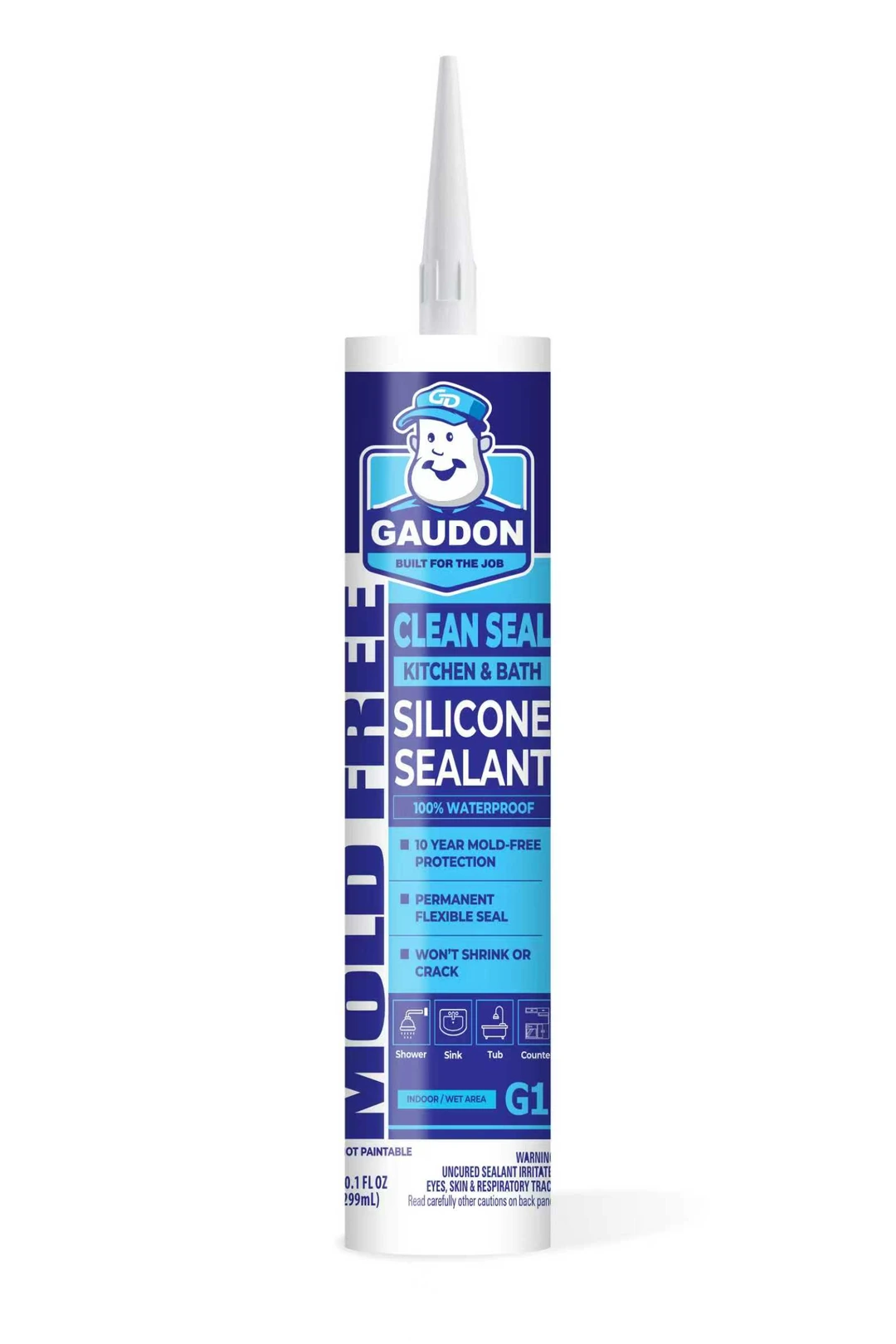
GAUDON G1
Kitchen & Bath Silicone Sealant
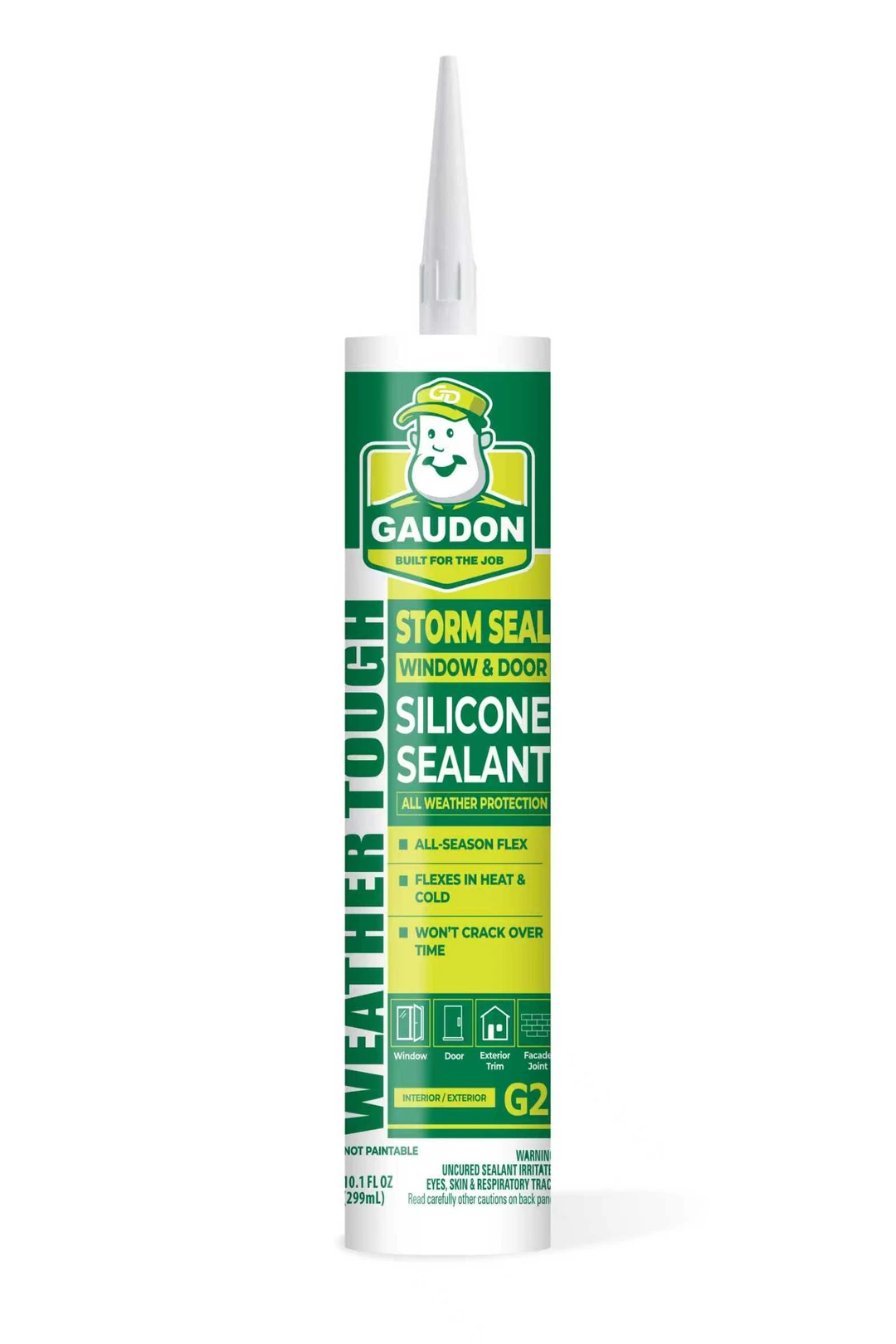
GAUDON G2
Window & Door Silicone Sealant
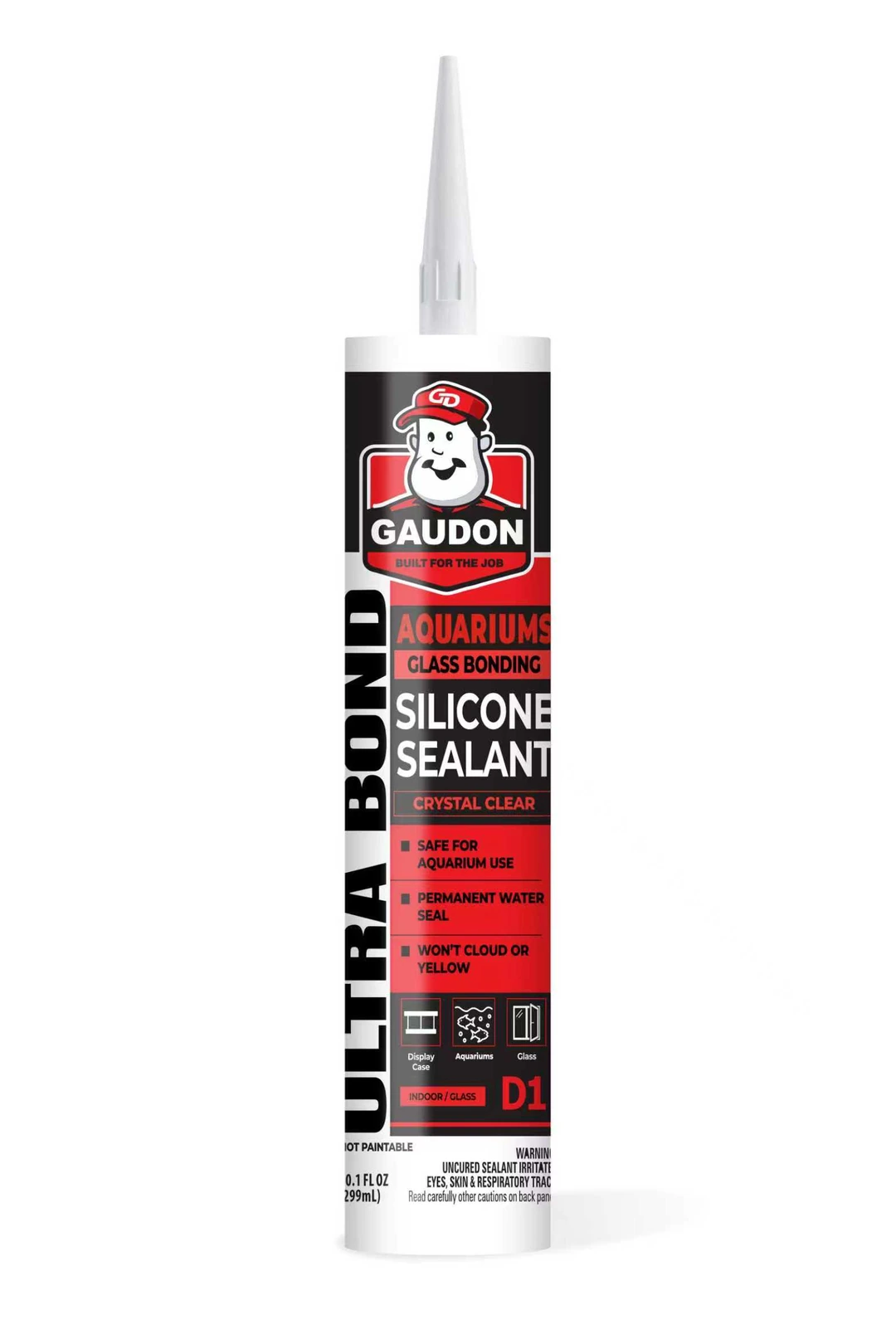
GAUDON D1
Glass Bonding Silicone Sealant
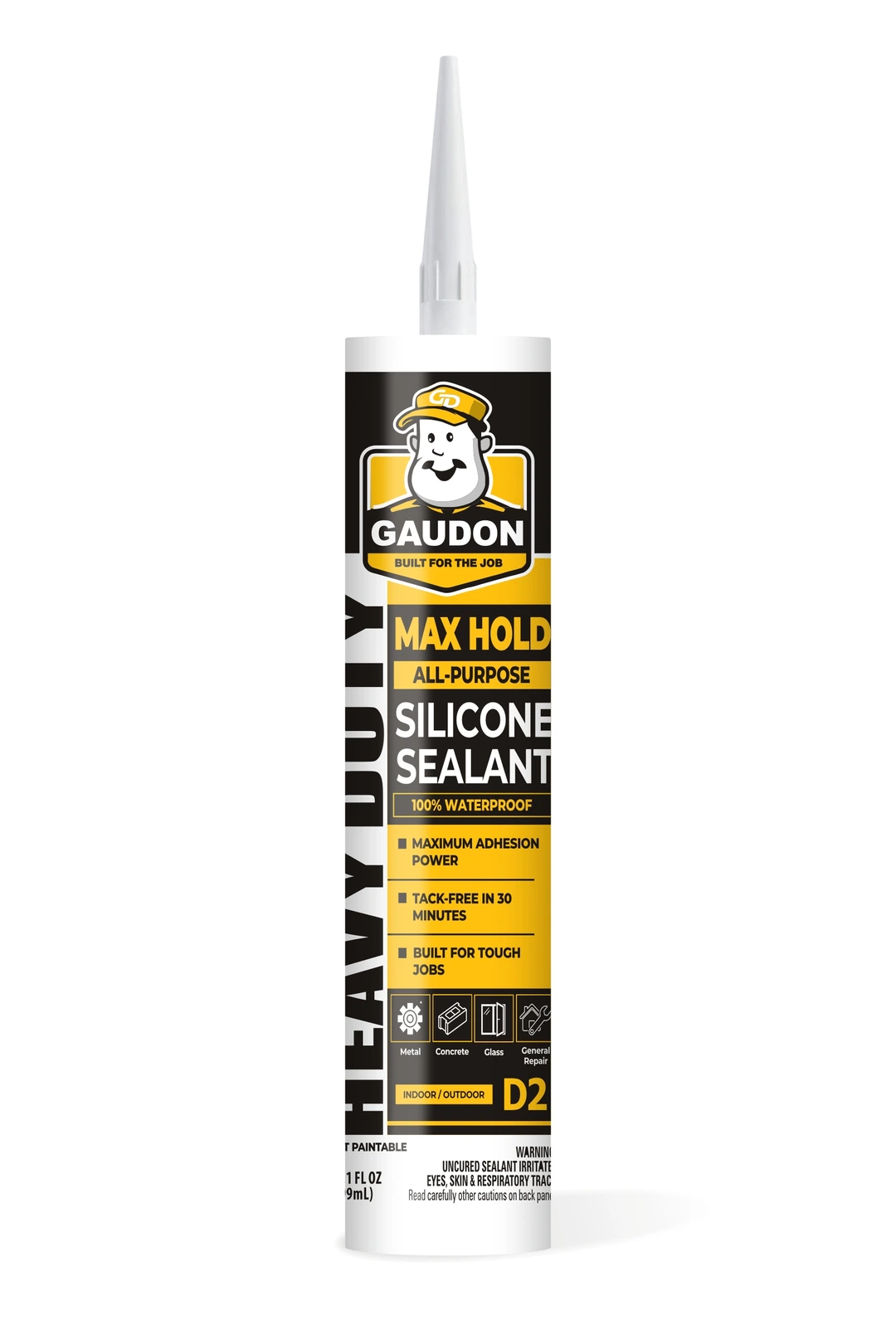
GAUDON D2
All-Purpose Silicone Sealant
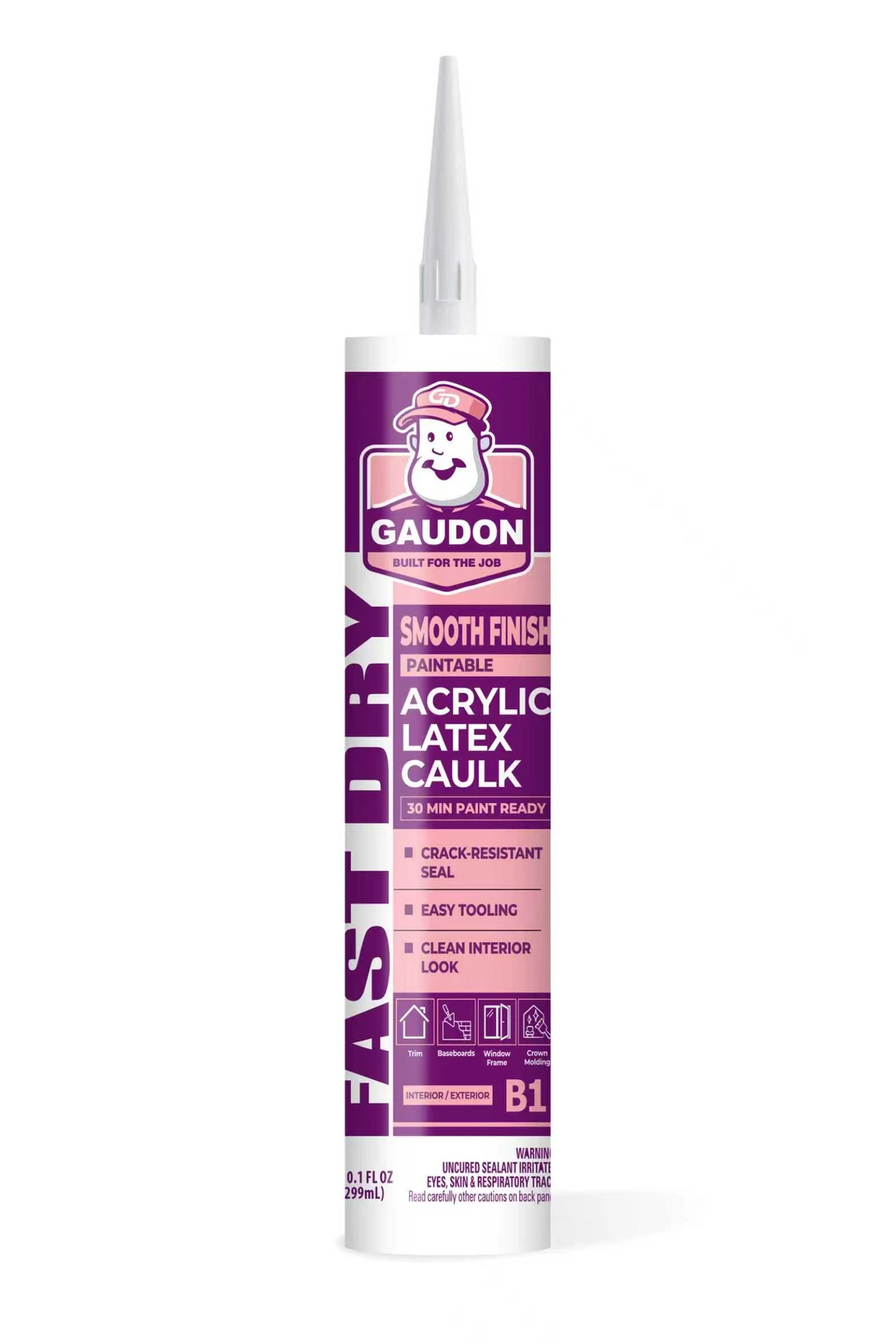
GAUDON B1
Fast-Dry Paintable Acrylic Latex Caulk
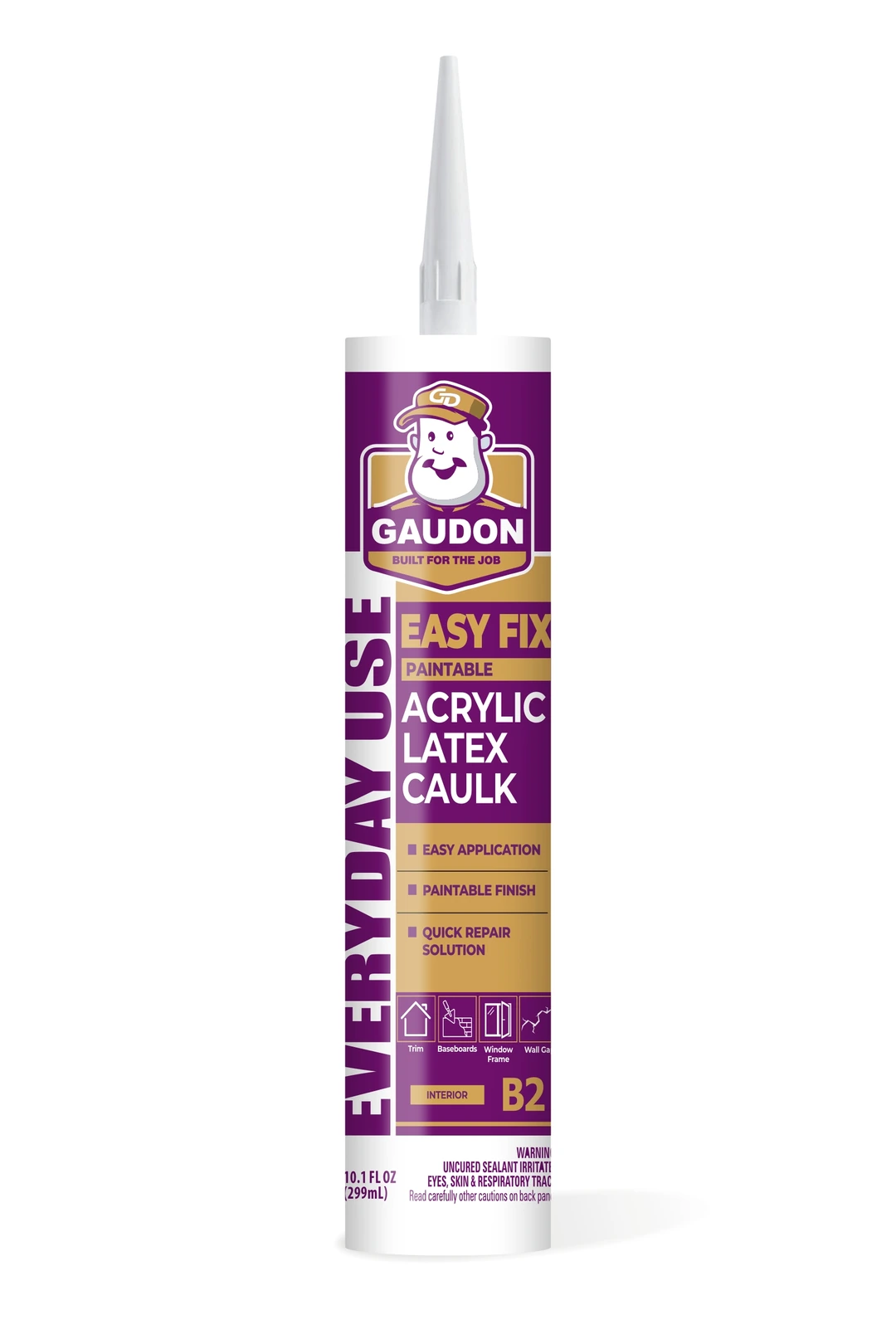
GAUDON B2
Everyday Use Paintable Acrylic Latex Caulk
Ready to put this on a job?
Samples ship to a business address for evaluation, case pricing is quoted directly, and the submittal builder assembles the data sheets a specification calls for.