Application
Wall Repair
Cracks, nail holes and gaps in drywall and plaster before painting. The filler has to stay put, sand cleanly and take paint without flashing.
What to use
GAUDON B1
Fast-Dry Paintable Acrylic Latex Caulk
Interior Finishing, Trim, Baseboards. Fast-dry paintable caulk for trim, molding, and clean interior finishing.
GAUDON B2
Everyday Use Paintable Acrylic Latex Caulk
Interior, Wall Gaps, Baseboards. Paintable interior caulk for everyday trim, baseboards, and wall gaps.
How to do it
Surfaces must be clean, dry, sound, and free of old sealant, dust, dirt, grease, loose paint, and other contaminants that may affect adhesion
Surfaces must be clean, dry, sound, and free of old sealant, dust, dirt, grease, loose paint, and other contaminants that may affect adhesion.
Do not apply to wet or frozen surfaces
Do not apply to wet or frozen surfaces.
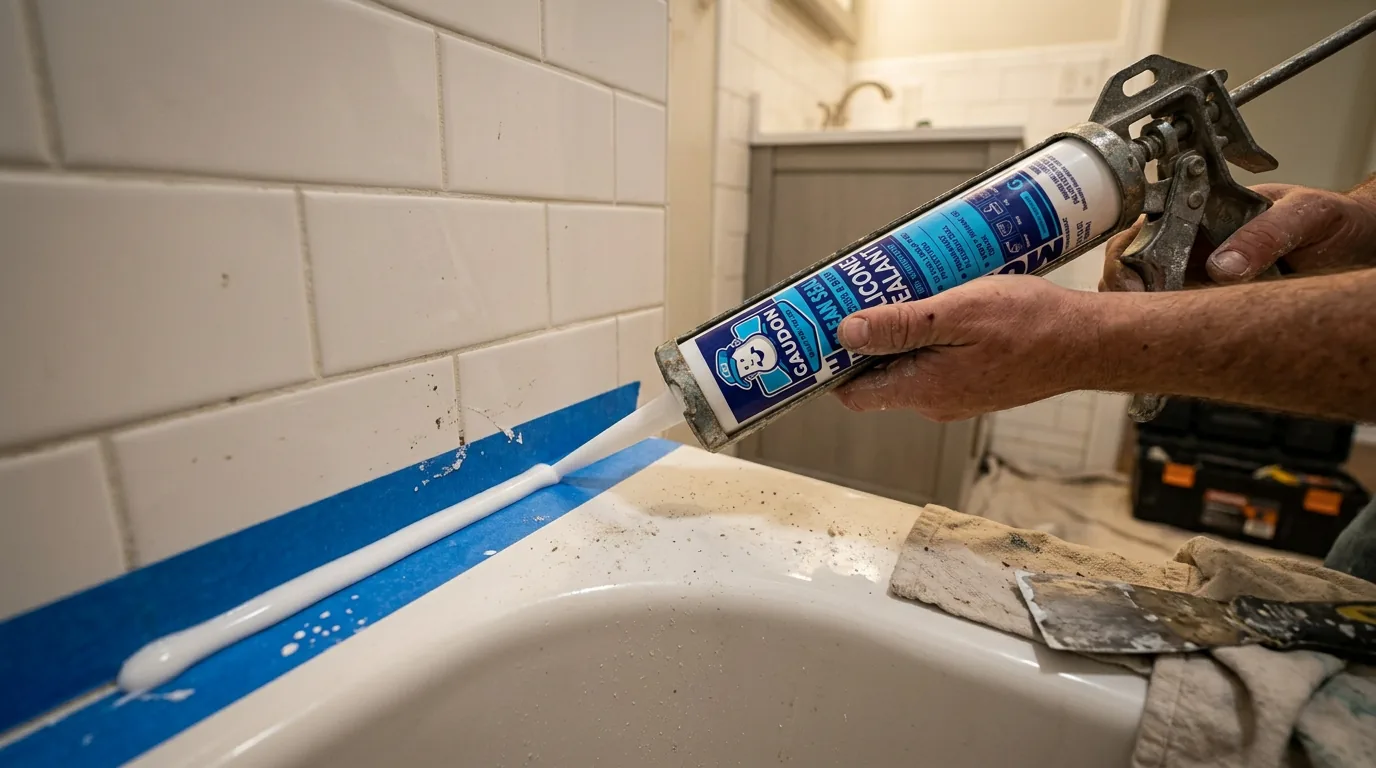
Cut nozzle at a 45° angle to the desired bead size and puncture the inner seal
Cut nozzle at a 45° angle to the desired bead size and puncture the inner seal.
Load cartridge into a standard caulking gun
Load cartridge into a standard caulking gun.
Apply a continuous bead with steady, even pressure along the joint or gap
Apply a continuous bead with steady, even pressure along the joint or gap.
Tool immediately to ensure proper contact and a smooth, neat finish
Tool immediately to ensure proper contact and a smooth, neat finish.
Clean excess material with water before the caulk dries
Clean excess material with water before the caulk dries.
Allow the caulk to dry properly before painting
Allow the caulk to dry properly before painting. Drying and curing time will vary with bead size, temperature, humidity, and jobsite conditions.
Steps are the manufacturer's published application instructions for GAUDON B1. Always read the Technical Data Sheet for the product you use.
Using another brand on this application?
SwitchLab compares it against the GAUDON option for wall repair.
Open SwitchLabOrdering for a crew?
Case pricing is quoted directly for trade buyers.