Application
Glass, Glazing & Aquarium
Glass bonding, glazing and aquarium work, where the joint is glass to glass or glass to a compatible non porous frame.
What to use
How to do it
Surfaces must be clean, dry, sound, and free of old sealant, dust, grease, loose material, and other contaminants that may affect adhesion
Surfaces must be clean, dry, sound, and free of old sealant, dust, grease, loose material, and other contaminants that may affect adhesion.
Porous substrates may require primer to ensure optimal adhesion
Porous substrates may require primer to ensure optimal adhesion. Confirm compatibility before full scale application.
Cut nozzle at a 45° angle to the desired bead size and puncture the inner seal
Cut nozzle at a 45° angle to the desired bead size and puncture the inner seal.
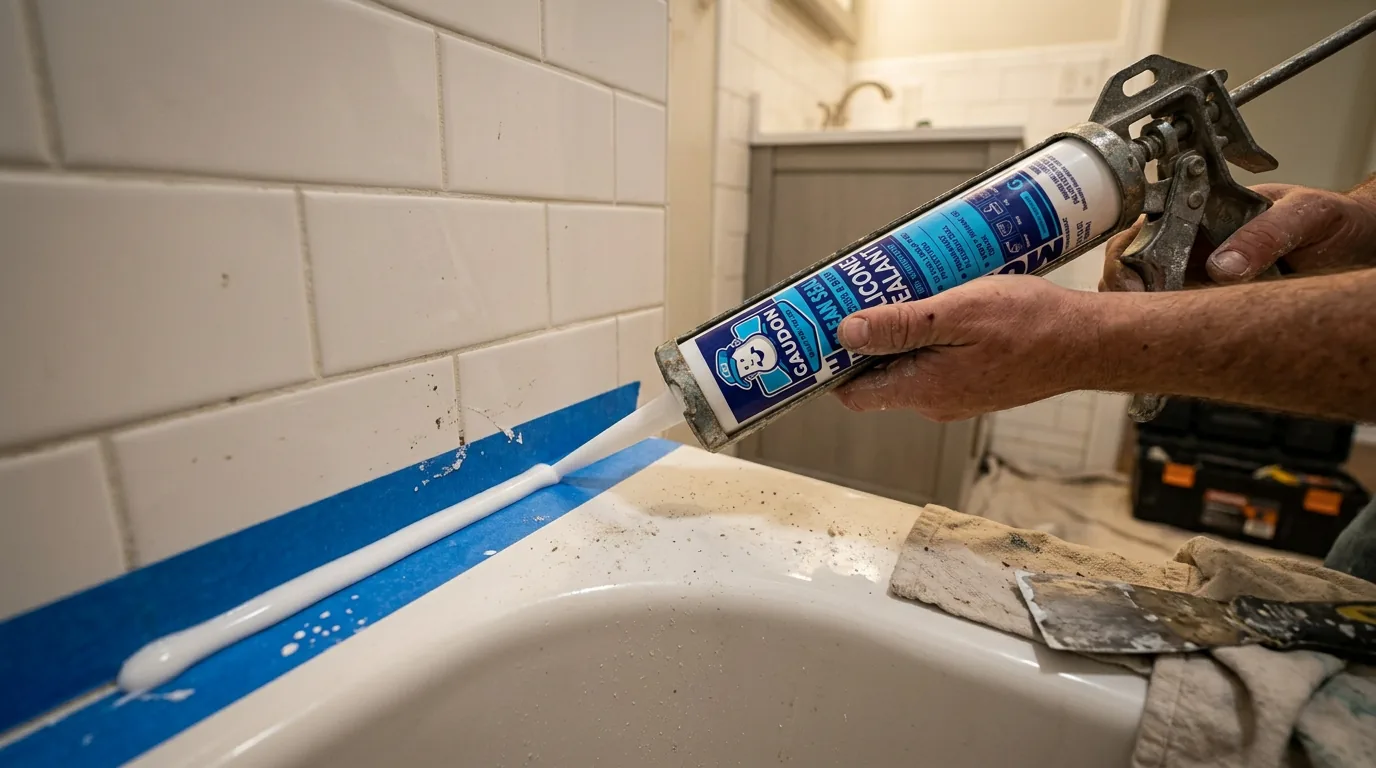
Load cartridge into a standard caulking gun
Load cartridge into a standard caulking gun.
Apply a continuous bead with steady, even pressure, ensuring full contact with both sides of the joint or bonding surface
Apply a continuous bead with steady, even pressure, ensuring full contact with both sides of the joint or bonding surface.
Tool immediately before skin forms to ensure proper contact, a neat finish, and uniform bond line appearance
Tool immediately before skin forms to ensure proper contact, a neat finish, and uniform bond line appearance.
Allow sealant to cure fully before water exposure or service use
Allow sealant to cure fully before water exposure or service use. Cure time will vary with joint size, temperature, and humidity.
Steps are the manufacturer's published application instructions for GAUDON D1. Always read the Technical Data Sheet for the product you use.
Using another brand on this application?
SwitchLab compares it against the GAUDON option for glass, glazing & aquarium.
Open SwitchLabOrdering for a crew?
Case pricing is quoted directly for trade buyers.